Situated in the heart of Upper Silesia, Zabrze’s identity is closely tied to its coal-mining origins, which shaped its growth from a modest village into a prominent city. Mining activity here dates back to the 13th century, but it was the discovery of coking coal in 1791 that marked the beginning of Zabrze’s transformation during the industrial revolution.
The opening of the first coking coal mine, later known as the Queen Luiza mine, established Zabrze as an important centre within Europe’s largest hard coal mining district. This development drew workers and investment, setting a foundation for the city’s growth through the 19th century.
In 1855, the establishment of the Guido Mine by Count Guido Henckel von Donnersmarck expanded the region’s industrial capacity considerably. This mine, alongside other factories and steelworks, turned Zabrze into a thriving manufacturing hub, providing vital employment for local families.
Following the upheavals of World War II and the Potsdam Agreement, the area was officially incorporated into Poland in 1945 and renamed Zabrze on 19 May that year. The city subsequently earned the title of the "capital of Polish mining," reflecting its importance to national industry and economy.
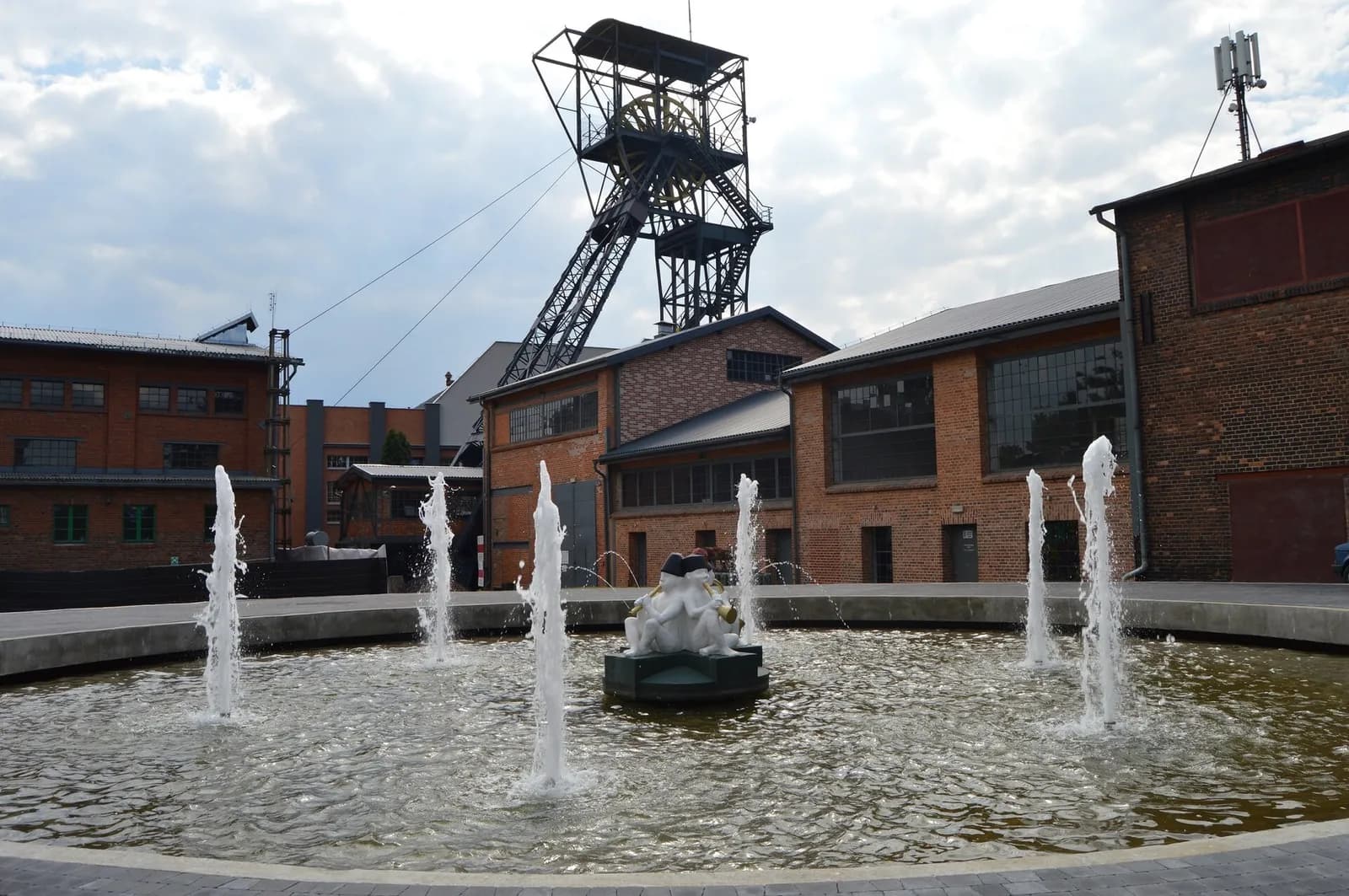
Today, Zabrze is recognised for its efforts to preserve and revitalise its mining heritage. Key sites such as the Queen Luiza mine, the Main Key Hereditary Adit which is Europe’s longest underground mining passage, and the Guido mine are protected as Historic Monuments of Poland. Since 2020, they have enjoyed the status of Monuments of History, underscoring their cultural and historical value.
Visitors to Zabrze can explore these underground passages, travelling down to 320 metres below the surface at the Guido Mine, where history is brought vividly to life. The Zabrze Coal Mining Museum, established in 1981 and integrated with the Guido and Queen Luiza complexes in 2013, leads the city’s ongoing cultural renaissance.
This museum and heritage complex utilise digital innovation alongside traditional exhibits to engage residents and tourists alike, transforming Zabrze into a centre for sustainable cultural tourism. For the local community, this means enjoying a unique blend of industrial history and modern cultural initiatives, making the city an important educational and heritage destination in Upper Silesia.
Zabrze’s story is one of resilience and adaptation, honouring its coal-mining past while looking confidently towards a sustainable future.