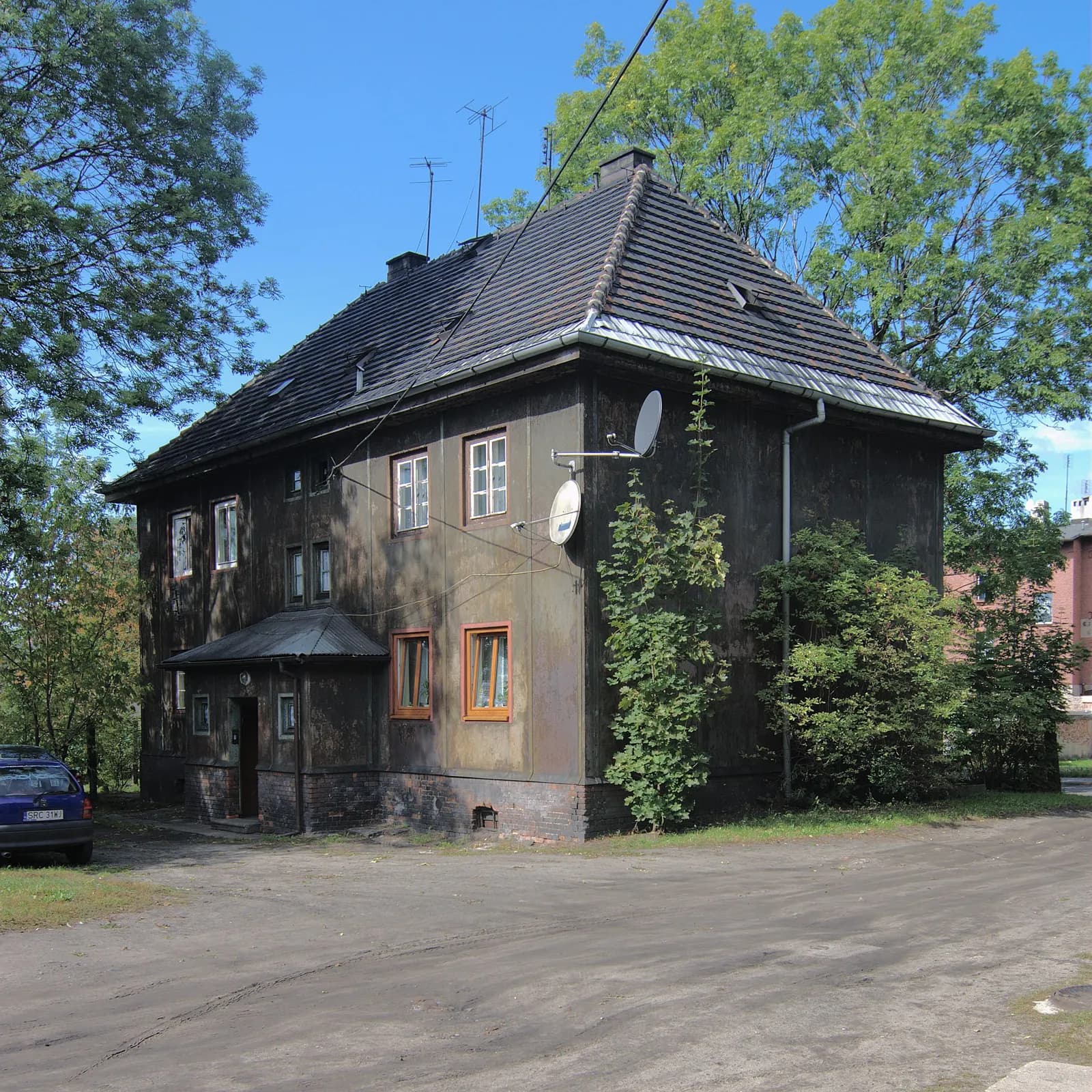
When people think of Zabrze, they often picture coal mines, industrial heritage and engineering excellence. Yet tucked away on quiet residential streets is one of the city's most fascinating architectural stories. Long before off-site construction became a familiar concept, Zabrze was already pioneering a revolutionary approach to house building.
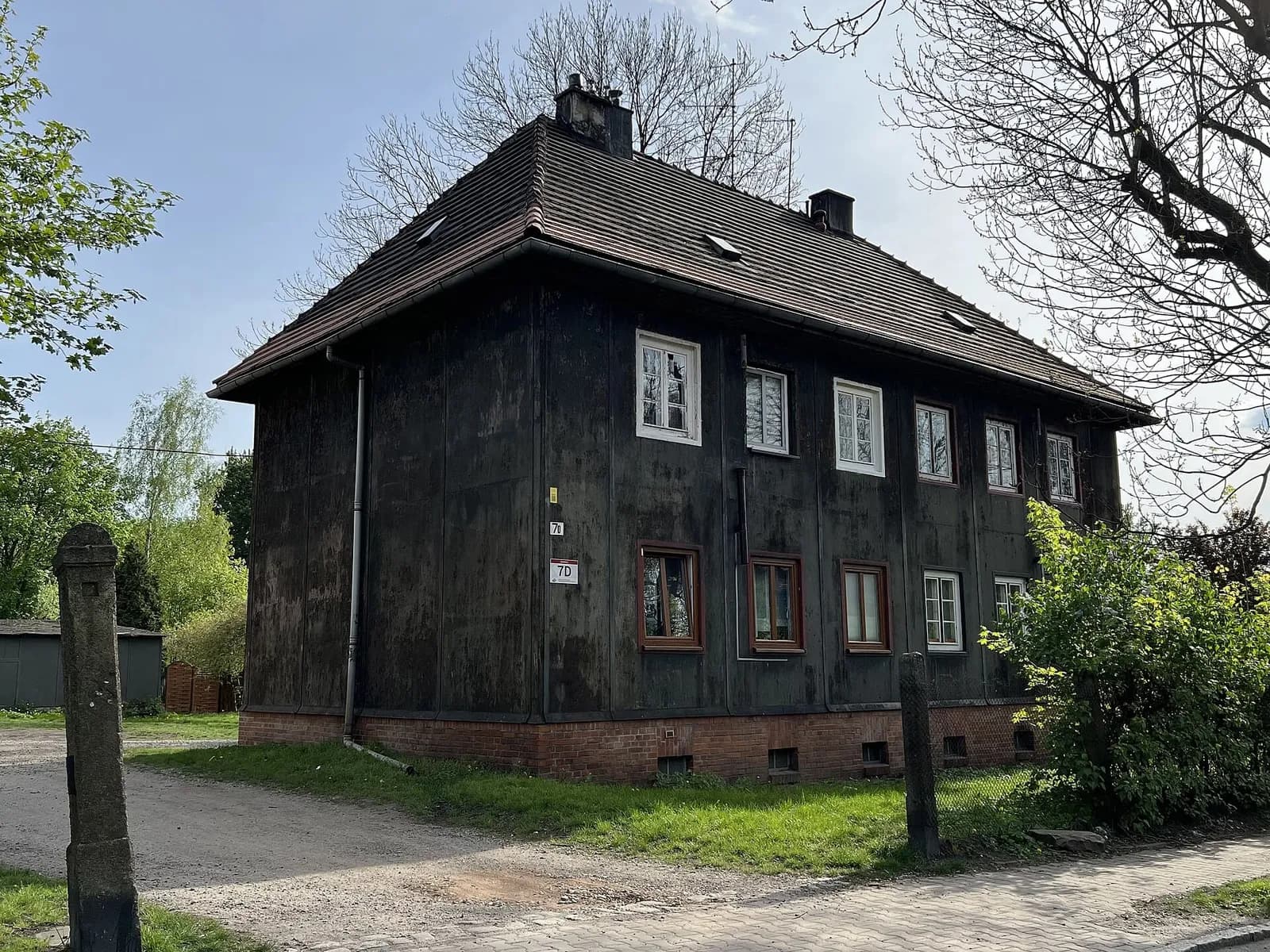
The city's steel houses, known in Polish as Domy Stalowe, remain among the most unusual residential buildings in Poland. Nearly a century after they were first assembled, they continue to attract architects, historians, and visitors intrigued by an experiment that was decades ahead of its time.
Today, only five of these remarkable buildings survive, making them not only an important part of Zabrze's heritage but also a rare chapter in the history of European architecture.
A City Built on Innovation
The late 1920s were a period of rapid growth for Zabrze, then known as Hindenburg O.S. Heavy industry dominated the local economy, with coal mines, engineering works and steel production attracting thousands of workers to the area. As the population increased, so did the demand for affordable, high-quality housing.
Rather than relying entirely on traditional brick construction, engineers at the Donnersmarck Steelworks proposed something radically different. If steel could build bridges, factories and machinery, why not homes?
The result was an ambitious housing project that combined industrial manufacturing with residential construction. Instead of producing every part of the building on site, large steel wall panels were manufactured in the steelworks before being transported for rapid assembly.
Today, this sounds remarkably similar to modern prefabricated construction. In 1927, however, it was a bold and highly experimental idea.
Building a Home in Less Than a Month
The first steel house was constructed at ul. Cmentarna in the historic Zandka district, where it still stands today.
Completed in approximately 26 days by a team of just 16 workers, the project demonstrated just how quickly homes could be built using prefabricated components. At a time when conventional construction often took several months, completing a four-family residential building in under a month was an impressive achievement.
Inside were four practical flats of around 50 square metres each, designed to provide comfortable accommodation for industrial workers and their families.
Despite the name, the buildings were never entirely made of steel. The external walls consisted of prefabricated steel panels produced at the Donnersmarck Steelworks, while brick lining, traditional foundations and a timber roof completed the structure. This combination created homes that were both innovative and practical, blending new engineering techniques with proven building methods.
Looking to the Future Through Engineering
The steel houses were more than an architectural curiosity. They represented an attempt to solve one of the biggest challenges facing industrial cities during the early twentieth century.
By manufacturing major building components in a factory, engineers hoped to reduce labour costs, improve efficiency and deliver new housing far more quickly than traditional methods allowed. Standardised production also promised consistent quality and the potential to expand construction on a much larger scale.
Although the project never developed into mass production, many of its underlying ideas would reappear decades later in modern modular housing and prefabricated construction.
Seen through today's eyes, the steel houses feel surprisingly contemporary. As cities once again search for faster and more sustainable ways to build homes, Zabrze's experiment serves as an early example of thinking well ahead of its time.
Five Rare Survivors
Only five steel houses remain today.
The earliest example is the original building on ul. Cmentarna in Zandka, while four further houses were constructed between 1930 and 1931 in the Rokitnica district.
Although they have been modernised over the years to meet contemporary living standards, they continue to preserve the pioneering structural concept that made them famous.
Unlike many historic landmarks, these are not museum exhibits. They remain private homes, with residents continuing to live inside nearly one hundred years after they were first built. Visitors are welcome to admire them from public streets, while respecting the privacy of those who call them home.
Separating Myth From Reality
As with many unusual buildings, the steel houses have inspired their share of local legends.
Stories have claimed that mobile phone signals disappear inside, lightning is more likely to strike the buildings or that the metal walls make the homes freezing during winter.
In reality, these stories have little evidence behind them. Thanks to their brick-lined interiors and years of careful maintenance and renovation, the houses perform much like traditional residential buildings. Their longevity speaks for itself, with the original structures continuing to serve their intended purpose almost a century after they were completed.
A Proud Part of Zabrze's Identity
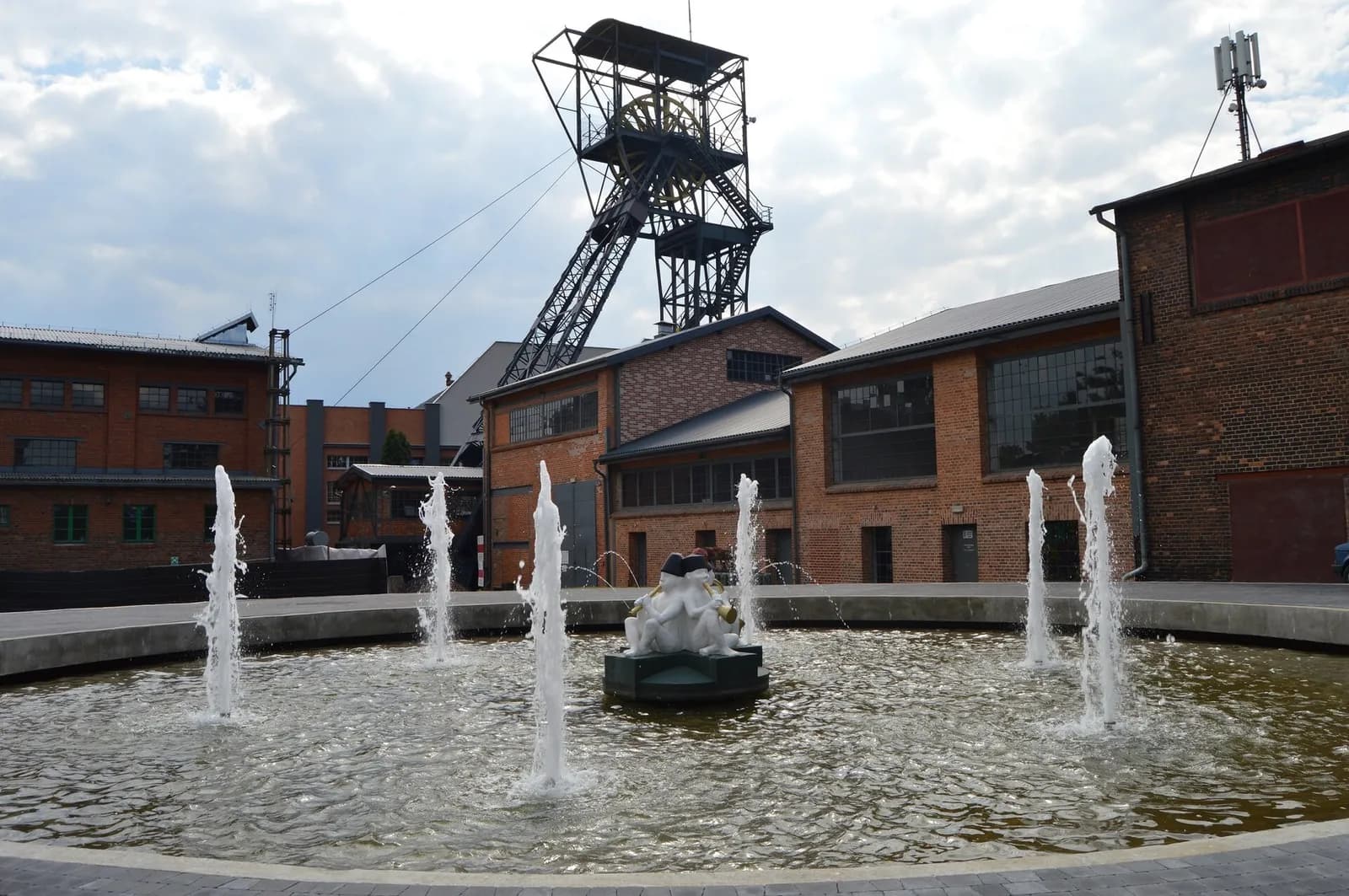
Zabrze has earned an international reputation for preserving its industrial heritage, from the Guido Mine to the Queen Louise complex and the city's historic workers' estates. The steel houses deserve to stand alongside these better-known attractions as symbols of local innovation and engineering excellence.
They tell a story that goes beyond architecture. They reflect the determination of a growing industrial city to embrace new ideas, improve living conditions and explore technologies that many others considered impossible at the time.
Nearly one hundred years after the first steel panels were assembled on Cmentarna Street, these extraordinary homes continue to stand quietly among the neighbourhoods they were built to serve. They remain a lasting testament to the creativity, ambition and engineering skill that helped shape modern Zabrze and secured their place as one of Poland's most distinctive architectural treasures.
image credit: Lesnydzban, CC BY 4.0 / Tomasz Górny, CC BY-SA 3.0 pl