In Zabrze, the story of the Silesian Uprisings is not distant history, but part of the streets, neighbourhoods and memories that still shape the city.
The Silesian Uprisings are often presented as a major chapter in the struggle over the future of Upper Silesia. Between 1919 and 1921, three armed conflicts, a plebiscite and an international dispute ultimately changed the border between Germany and Poland.
But the story looks different when viewed from Zabrze.
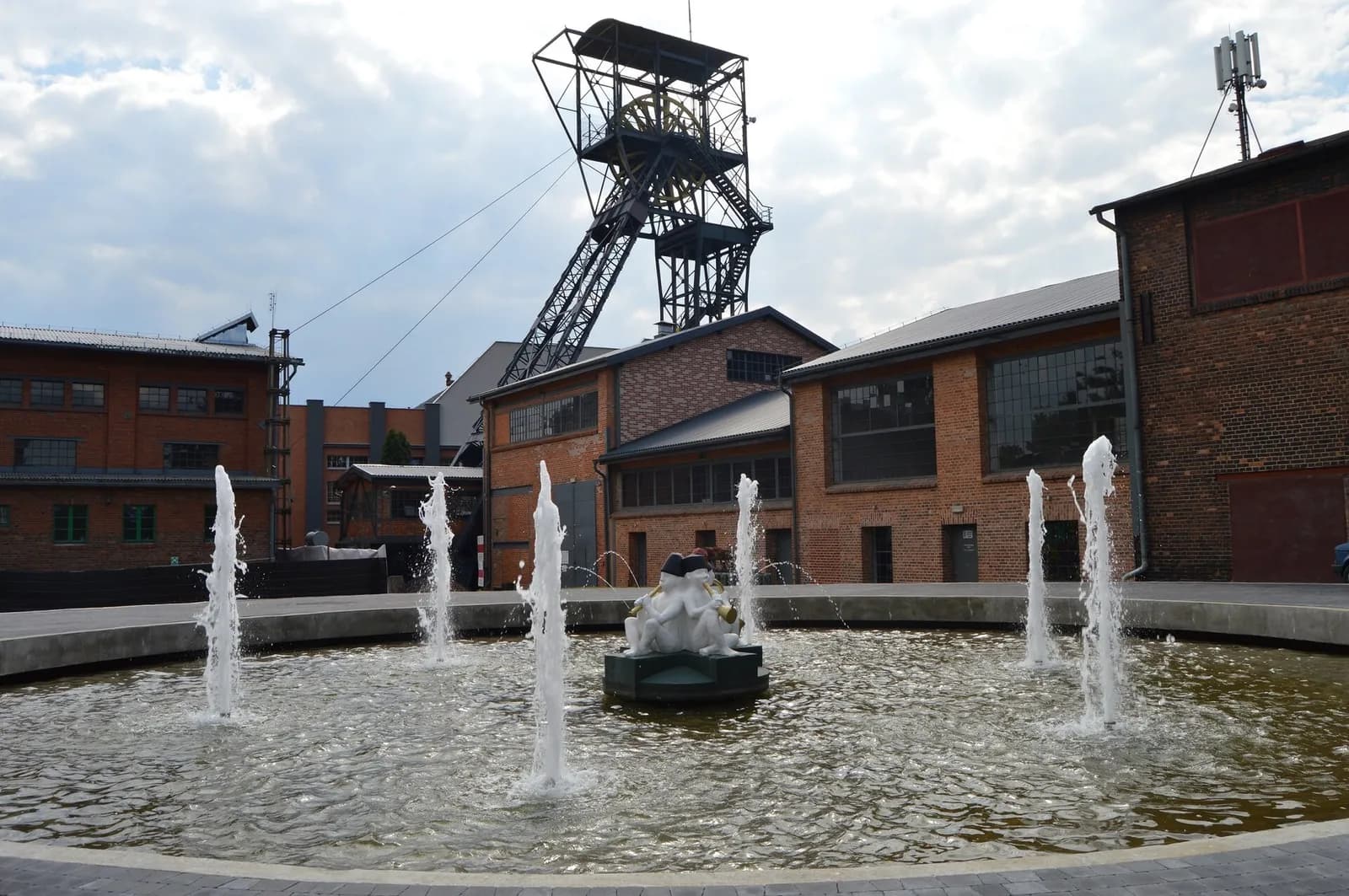
At the time, the city and surrounding district were part of Germany and sat within one of Europe's most heavily industrialised regions. Mining, industry and a rapidly growing population had created communities where Polish and German identities existed alongside one another. After the First World War, questions about language, political allegiance and the future of Upper Silesia became increasingly difficult to separate from everyday life.
For Zabrze, the uprisings were therefore not simply events happening elsewhere. They were part of the city's own experience.
Before the uprisings, Zabrze was already changing
The end of the First World War brought political uncertainty across Upper Silesia. In Zabrze, as elsewhere in the region, social and national tensions were intensified by the economic and political upheaval of the post-war period.
Large Polish demonstrations took place in Zabrze and other Upper Silesian towns in late 1918, while labour unrest continued into 1919. Historical sources record strikes and disturbances in Zabrze in March 1919, demonstrating that the region's political questions were closely connected with the experiences of industrial workers.
The First Silesian Uprising began in August 1919 and was suppressed by the end of the month. The Second followed in August 1920, against the backdrop of preparations for an internationally supervised plebiscite.
For residents of Zabrze, however, the decisive moment was still to come.
The plebiscite of 20 March 1921 was intended to determine whether Upper Silesia should remain within Germany or become part of Poland. In the Zabrze district, 89,152 of 90,793 eligible voters took part. The result was closely divided: 45,219 voted to remain in Germany, while 43,261 voted for incorporation into Poland.
In the town of Zabrze itself, the difference was considerably clearer. The majority voted to remain in Germany, with 21,333 votes compared with 14,873 for Poland. Yet the surrounding communities did not vote uniformly. Several areas of the wider district recorded majorities for Poland, illustrating the complicated local geography of identity and political preference.
The Third Uprising brought the conflict into the city
The plebiscite did not settle the question.
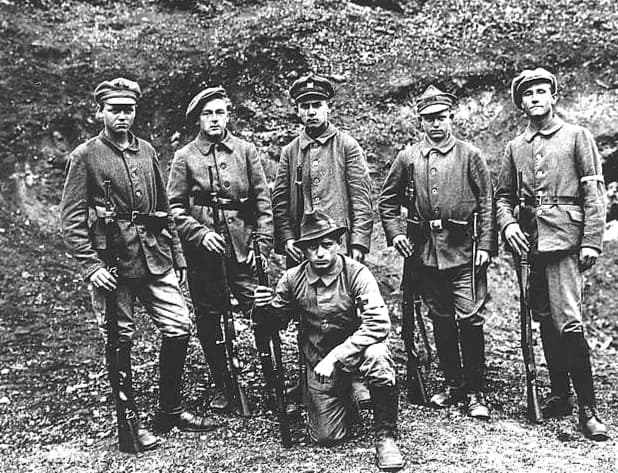
Disagreement over how the results should translate into a territorial settlement contributed to the outbreak of the Third Silesian Uprising during the night of 2–3 May 1921. It was the largest of the three uprisings, and Zabrze became one of its important locations.
The Silesian Uprisings Museum identifies Zabrze among the major sites of fighting during the Third Uprising, alongside Katowice, Królewska Huta and Gliwice.
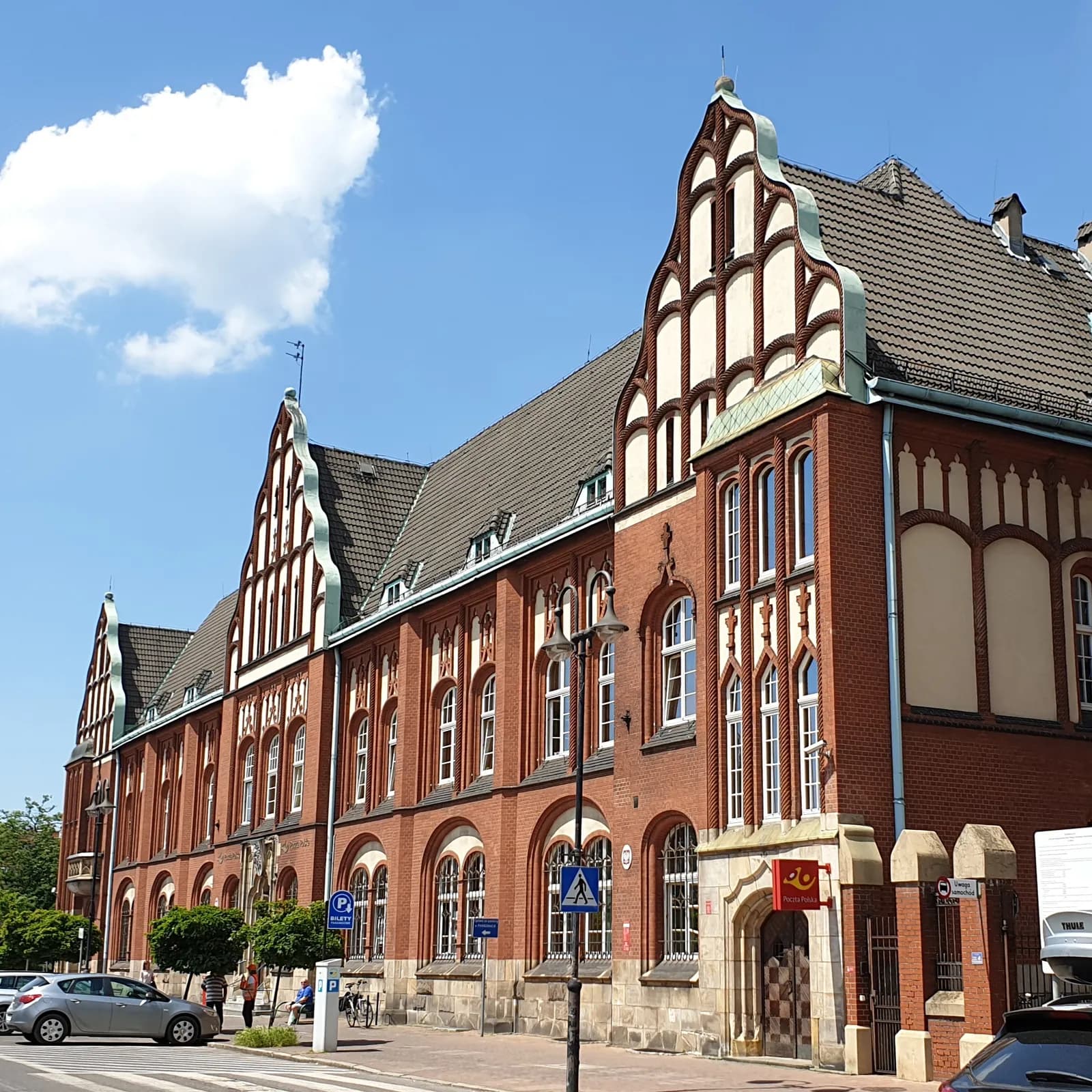
In Zabrze, insurgent forces took control of much of the town by 3 May. A French-controlled neutral zone remained in the city centre, protecting municipal institutions and other facilities. According to the city's historical account, Zabrze remained under Polish insurgent control until the uprising ended.
The fighting left a physical legacy that can still be traced today. A commemorative plaque on Wolności Street marks the building stormed by the Zabrze Company of insurgent forces on 2 May 1921. Other memorials and graves across the city's districts connect present-day Zabrze with people who took part in the uprisings.
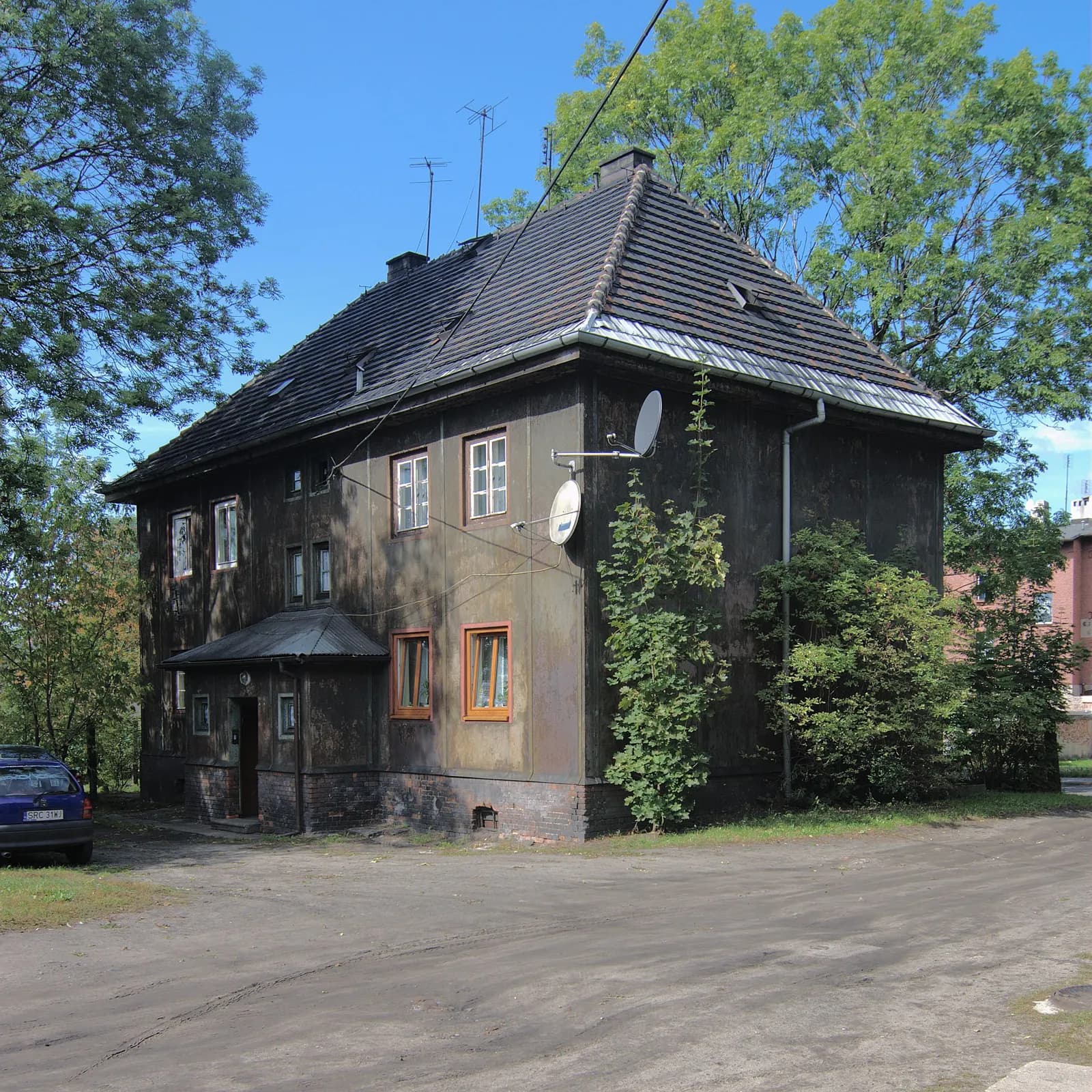
This makes Zabrze particularly interesting for understanding the conflict. The history is not confined to a battlefield or a museum display. It is embedded in neighbourhoods including Kończyce, Mikulczyce, Pawłów and Rokitnica, where memorials and graves continue to mark the events of a century ago.
A border that divided a district, not its history
The eventual settlement was more complicated than a simple victory for one side.
On 20 October 1921, the Council of Ambassadors decided how the plebiscite territory would be divided. The new border ran through the Zabrze district itself. Nine municipalities were awarded to Poland: Bielszowice, Bujaków, Chudów, Kończyce, Makoszowy, Paniowy, Paniówki, Pawłów and Ruda, together with three manor districts. These areas represented almost 60 per cent of the district's territory but around one third of its population.
Zabrze itself remained on the German side until the territorial changes that followed the Second World War, but today's city brings together several communities whose histories were directly affected by the 1921 division.
That is one reason the uprisings remain relevant to understanding modern Zabrze. The border drawn after the conflict did not erase local connections, family histories or the industrial character shared across Upper Silesia.
Today, remembrance is visible throughout the city. Zabrze maintains numerous memorials, plaques, graves and commemorative sites connected with the uprisings. In Kończyce, annual commemorations have become an established part of local cultural life, with ceremonies at the Monument to the Silesian Insurgents followed by community events.
The city also remembers the period through places such as the former Polish school in Mikulczyce, where a commemorative plaque marks an institution that survived until the outbreak of the Second World War.
Seen from Zabrze, the Silesian Uprisings are therefore about more than the question of where a border should be drawn. They reveal how national politics, industrial society and local identity became intertwined at a moment when the map of Europe was being redrawn.
And perhaps the most lasting part of that history is found not in the statistics, but in the city's continued decision to remember it. More than a century later, Zabrze's memorials and commemorations connect today's residents with a period when the future of Upper Silesia was uncertain and communities across the region were being asked to define where they belonged.
The result is a history that remains distinctly local. In Zabrze, the Silesian Uprisings can still be followed through the places where people lived, worked, fought and were buried, making a major episode in Poland's twentieth-century history part of the city's everyday landscape.