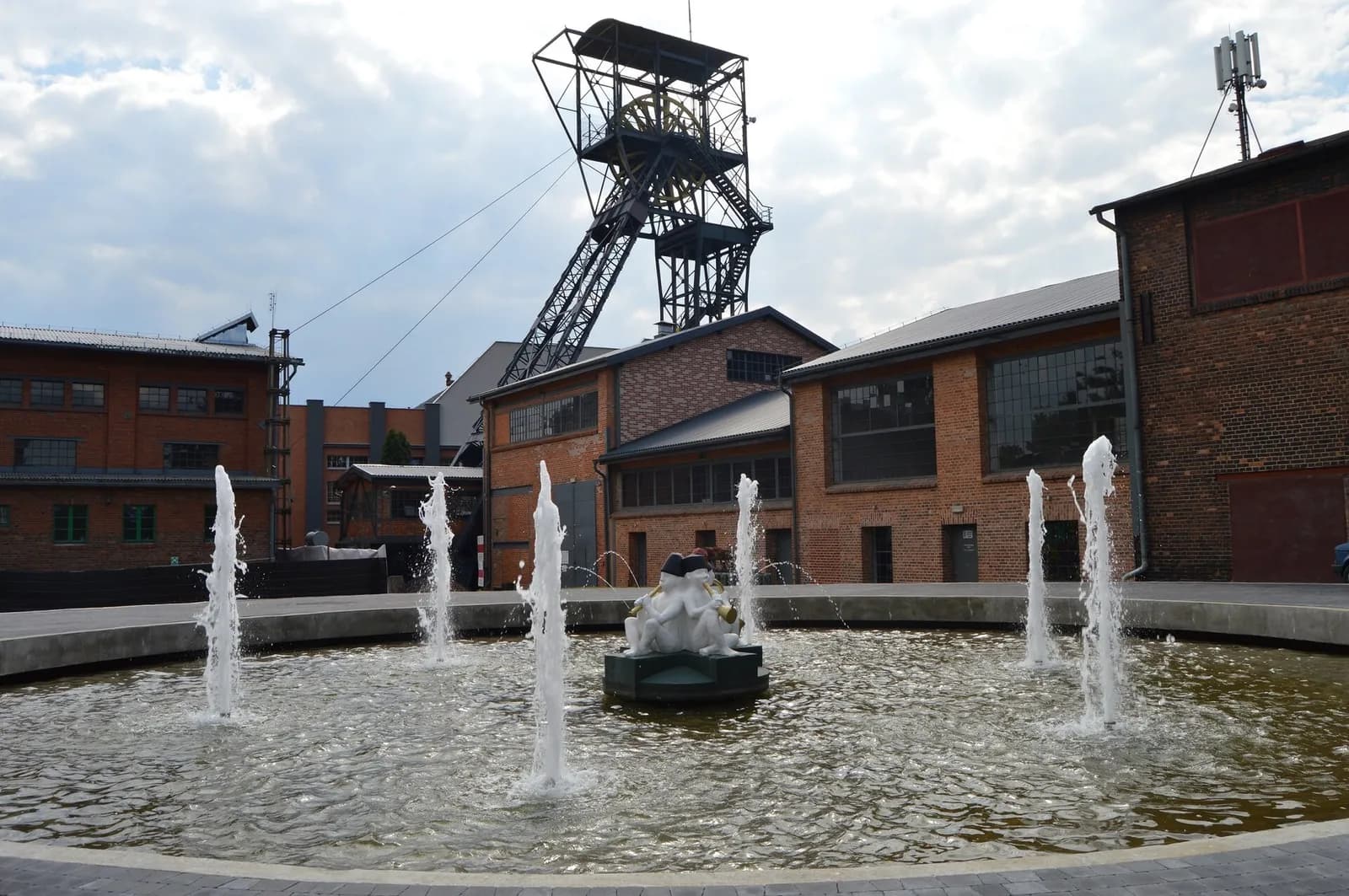
Hidden beneath the streets of Zabrze lies one of Poland's most extraordinary engineering achievements. While many visitors are familiar with the city's mining heritage, few fully appreciate the scale and significance of the Queen Louise Adit, a vast underground network that once played a vital role in powering the Industrial Revolution across Upper Silesia.
Today, the Queen Louise Adit (Sztolnia Królowa Luiza) has been transformed into one of Europe's leading industrial heritage attractions, offering visitors the opportunity to experience authentic mine workings, underground waterways and interactive exhibitions in a setting unlike anywhere else in the country.
Whether you are interested in history, engineering, family attractions, or simply looking for a memorable day out, the Queen Louise Adit offers an experience that reveals the remarkable story beneath modern Zabrze.
A remarkable chapter in Zabrze's history
Coal mining has shaped Zabrze for more than two centuries, helping to transform what was once a collection of small settlements into one of Europe's most important industrial centres.
The Queen Louise Mine was established in 1791 during a period of rapid industrial development in Upper Silesia. Named after Queen Louise of Prussia, the mine quickly became one of the region's largest state-owned mining operations.
As mining expanded deeper underground, engineers faced an increasing challenge. Water naturally seeped into the mine workings, threatening both productivity and safety. Their solution was an ambitious drainage tunnel, known as an adit, designed to carry water away using gravity rather than relying solely on mechanical pumps.
The result was the Queen Louise Adit, a remarkable feat of engineering that would eventually stretch for more than 14 kilometres beneath the landscape.
What exactly is an adit?
Unlike the vertical shafts often associated with coal mines, an adit is a horizontal tunnel driven into the ground from the surface.
Historically, adits served several important purposes:
- Draining groundwater from underground workings
- Improving mine ventilation
- Providing easier access for workers
- Transporting coal and equipment
The Queen Louise Adit became an essential part of the mining infrastructure that supported the continued growth of coal production throughout the nineteenth century.
Its careful design allowed water to flow naturally away from the mine, demonstrating the ingenuity of engineers long before modern pumping technology became widespread.
Step into an underground world
Today, visitors descend into the preserved tunnels to experience a very different side of Zabrze.
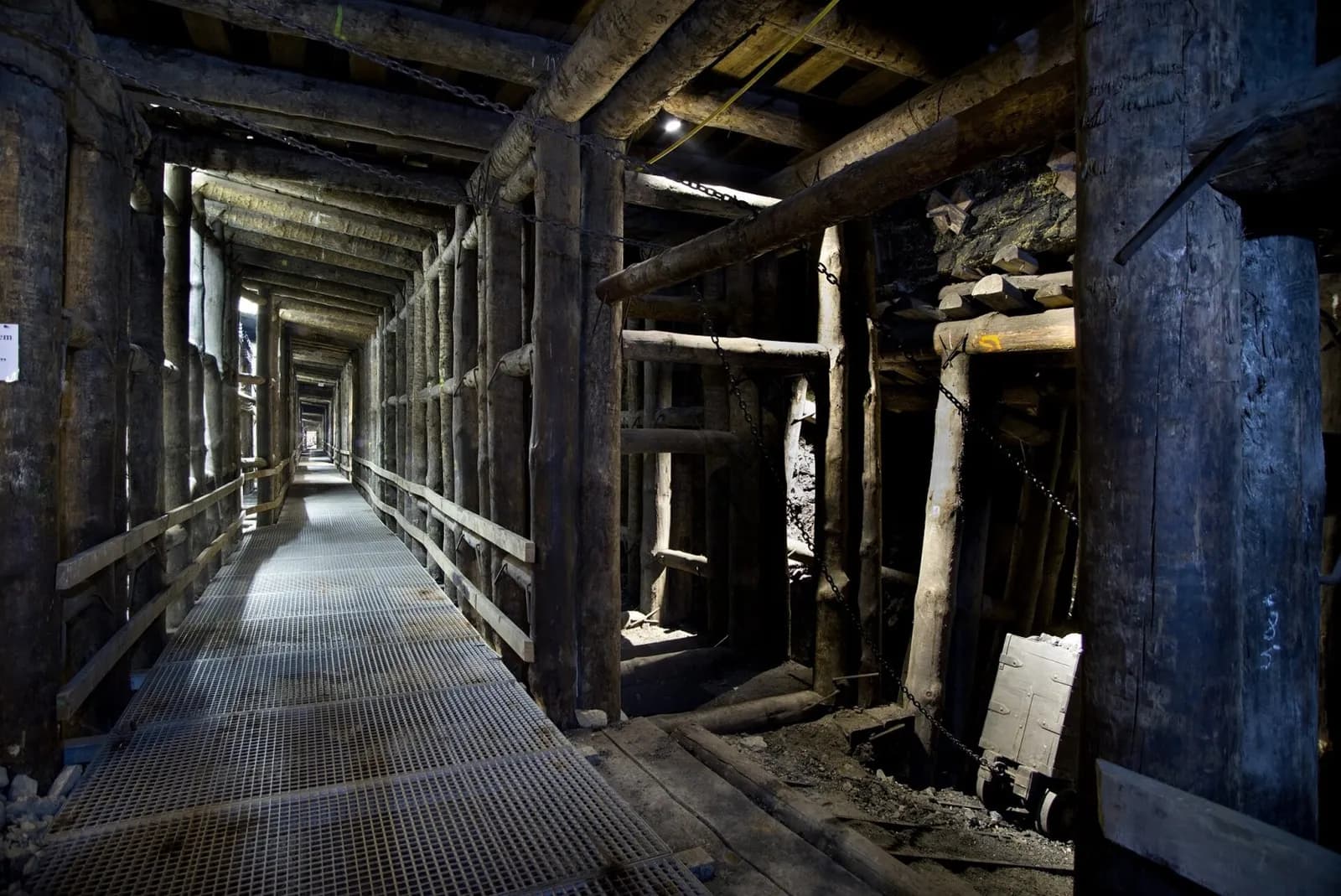
Rather than simply viewing mining artefacts behind glass, guests walk through genuine historic passages where generations of miners once worked. The authentic surroundings create an atmosphere that is both educational and unforgettable.
One of the highlights is the underground boat journey through historic waterways. Travelling by boat beneath the city offers a rare opportunity to see the drainage tunnels from the same perspective that miners once used to transport materials through the network.
The softly illuminated brick-lined passages, combined with the natural sounds of flowing water, create an experience that is both immersive and surprisingly peaceful.
It is easy to understand why the attraction has become one of the most distinctive industrial tourism experiences in Poland.
Engineering that changed a region
The Queen Louise Adit is much more than a tourist attraction. It stands as a testament to the innovation that fuelled the growth of Upper Silesia during the Industrial Revolution.
Constructing such an extensive underground drainage system required exceptional planning, surveying and engineering expertise. Every section had to maintain a carefully calculated gradient, allowing water to flow efficiently over long distances without modern machinery.
The network also connected with multiple mining operations, helping improve safety and productivity across one of Europe's busiest coalfields.
Even by today's standards, the scale of the project is impressive.
Bringing mining history to life
The attraction has been thoughtfully developed to appeal to visitors of all ages.
Interactive exhibitions explain how coal was extracted, transported and processed, while multimedia presentations help illustrate the daily lives of miners who spent their working lives beneath the surface.
Depending on the route selected, visitors can experience:
- Historic mining machinery demonstrations
- Sound and lighting effects recreating underground working conditions
- Original mining equipment and tools
- Educational displays suitable for families
- Guided tours led by experts
Rather than relying solely on information panels, the attraction encourages visitors to experience mining history first-hand.
More than an underground attraction
Above ground, the experience continues at Park 12C, an educational science and recreation park inspired by geology, mining and engineering.
Designed with families in mind, the park combines interactive exhibits with outdoor play areas, making it an ideal addition to an underground visit.
This combination of heritage, education and recreation reflects Zabrze's wider approach to preserving its industrial past while creating attractions for future generations.
A symbol of Zabrze's transformation
Across Europe, many former mining communities have faced the difficult question of what to do with disused industrial sites.
In Zabrze, the answer has been preservation rather than demolition.
Together with the nearby Guido Mine, the Queen Louise Adit demonstrates how historic infrastructure can be successfully transformed into a centre for tourism, education and cultural heritage.
The site has become an important part of the European Route of Industrial Heritage, attracting visitors from across Poland and abroad who wish to better understand the region's remarkable industrial story.
It also serves as a reminder that Zabrze's identity extends beyond coal production alone. By protecting and interpreting its industrial landscape, the city has created opportunities for sustainable tourism while ensuring that the achievements of previous generations are not forgotten.
Why you should visit
The Queen Louise Adit offers far more than a traditional museum visit. It is an opportunity to explore authentic underground spaces, discover pioneering engineering and gain a deeper appreciation of the people whose work shaped modern Upper Silesia.
Whether you are fascinated by industrial history, looking for a unique family attraction or exploring the wider Silesian region, this remarkable underground world provides an unforgettable glimpse into the past.
As Zabrze continues to redefine itself for the twenty-first century, the Queen Louise Adit remains one of its greatest treasures, preserving the city's rich heritage while inspiring a new generation of visitors to discover the stories hidden beneath their feet.